Sustain Your Day: Science-Backed Teas for Smooth, Crash-Free Energy
Table of Contents
- Meat Recipe Box
- 1. Matcha
- 2. Green tea
- 3. Black tea
- 4. Oolong tea
- 5. Pu-erh tea
- 6. Peppermint tea
- 7. Ginger tea
- 8. Hibiscus tea
- 9. Rooibos tea
- 10. Chamomile tea
- How tea powers steady energy
- Brew tips for maximum focus and minimal jitters
- When to drink each tea for all-day energy
- Packable tea rituals for lunch, travel, and sport boxes
- Pair your tea with box-ready energy bites and mains
- About Meat Recipe Box
- Frequently asked questions
- How can I find a tea that gives energy without the crash?
- Is green tea or black tea better for steady focus?
- How many cups of tea per day is ideal?
- What’s the best tea to replace my morning coffee?
- Are herbal teas good for energy if they’re caffeine-free?
- Can decaf tea still help my energy?
- When should I drink different teas for all-day energy?
- What are the side effects of too much tea?
- How do I brew tea to avoid jitters?
- What teas travel best in a lunch or trip box?
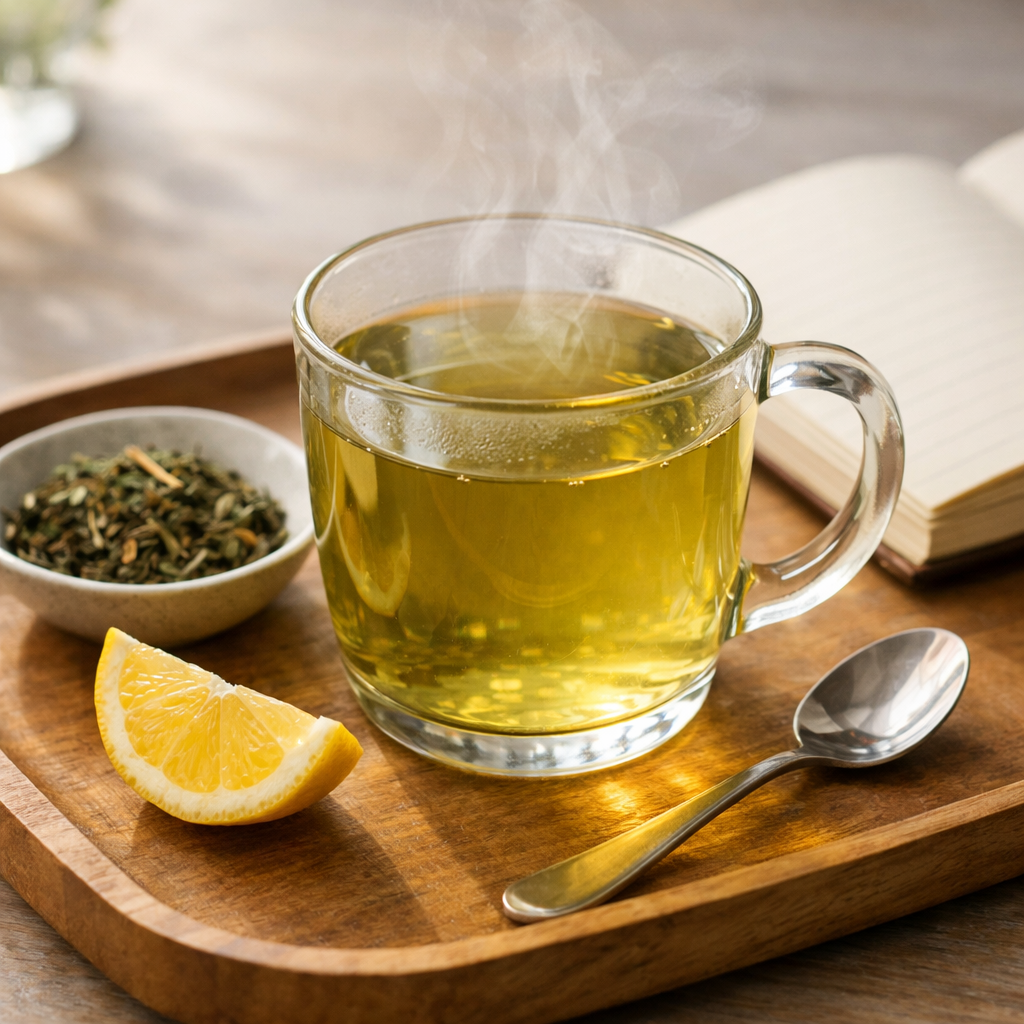
Sustain Your Day: Science-Backed Teas for Smooth, Crash-Free Energy
A smoother, steadier lift is possible when you choose teas that pair moderate caffeine with calming, focus-enhancing compounds. Energy without the crash means alertness that lasts for hours with minimal jitters, palpitations, or sudden fatigue. True teas offer that balance, and they’re easy to make portable for commutes, travel tea rituals, and Sport Box hydration. As a bonus, tea’s polyphenols are tied to long-term health: in large cohorts, 2–3 cups per day have been associated with a 14% lower stroke risk and 4+ cups with about a 20% reduction, pointing to a daily habit that supports heart and brain health (Harvard T.H. Chan School of Public Health’s tea overview). Below, we map the best tea for crash-free energy, how to brew for focus, and how to pack it alongside protein-forward snacks for all-day steadiness.
Meat Recipe Box
We’re a meat-forward, founder-written site built around practical, make-ahead rituals that travel well. Tea fits perfectly: it’s quick, portable, and pairs naturally with protein-rich snacks to flatten energy peaks. You’ll see that lens throughout—whether you’re packing a Lunch Box (desk days), Trip Box (road and hotel days), or Sport Box (practice and game days). Explore our meat-focused mains, air fryer recipes, and meat-cut guides, plus previews from our upcoming Lunch/Trip/Sport Boxes ebook. If you’re a brand considering partnerships, we’re open—and always focused on portable, everyday energy. Start with our box frameworks and pair a tea with a protein-forward bite for dependable, crash-free energy.
1. Matcha
Matcha is powdered green tea whisked into water, so you consume the whole leaf—concentrating caffeine, L-theanine, and EGCG for smooth focus compared with high-dose coffee. In brewed green teas, a typical cup extracts roughly 250–350 mg of tea solids, about 30–42% of which are catechins; matcha delivers those compounds more directly because the leaf is ingested (a review of human tea studies). The synergy matters: moderate caffeine plus L-theanine supports attention with fewer jitters than caffeine alone. Overdoing it can still cause insomnia or palpitations, so mind your total tea caffeine. In our Lunch Box templates, matcha anchors the morning slot for calm focus.
How to use: Sift 1 tsp matcha into a cup, add 6–8 oz hot water around 175°F, and whisk until frothy. Morning is ideal for a focused start. Note the cost-quality spectrum—ceremonial grades cost more but often taste smoother.
2. Green tea
All true teas come from the Camellia sinensis plant; green tea is minimally oxidized, preserving catechins like EGCG noted for antioxidant activity (a review of human tea studies). As a daily driver, it balances modest tea caffeine with calming L-theanine to support steady focus. Long-term, tea polyphenols are linked with cardiometabolic benefits; in cohorts, 2–3 cups/day have been associated with 14% lower stroke risk and 4+ cups with around 20% lower risk (Harvard T.H. Chan School of Public Health’s tea overview). For maximum polyphenols, choose whole-leaf or minimally processed styles—sencha is a great everyday pick. Sip mid-morning for a gentle, lasting lift. Sencha is our go-to daily green in Lunch Boxes.
3. Black tea
Black tea is fully oxidized, forming distinct polyphenols—theaflavins and thearubigins—with total polyphenol levels comparable to green but a different profile. Its bolder flavor and slightly higher caffeine make it a smart mid-morning or midday boost. Observational research links regular black tea intake with markers of heart health and, in some studies, lower risks of stroke and dementia over time. Use it to power a productive push, then taper caffeine later to avoid an afternoon crash.
4. Oolong tea
Oolong is semi-oxidized; the degree of oxidation shapes color and flavor from green-leaning floral to darker, toastier notes. It lands mid-range in caffeine, making it a versatile midday tea when you want alertness without overstimulation. Try greener oolongs with lighter lunches and darker oolongs alongside savory mains for a cohesive flavor arc.
5. Pu-erh tea
Pu-erh is a fermented tea from Yunnan, often pressed into cakes or sold loose. Many drinkers perceive a steady, grounded alertness and digestion comfort—pleasant for long drives or post-meal focus. Quality pu-erh can be pricier, but multiple short steeps extract deep, earthy flavor and value per serving. It’s a natural fit for Trip Boxes on long drives.
6. Peppermint tea
For caffeine-sensitive readers, peppermint offers an herbal, caffeine-free nudge. Its aroma may reduce feelings of sleepiness, and the tea can soothe digestive spasms—useful after lunch. It’s herbal (not Camellia sinensis) and typically caffeine-free (Numi’s tea guide). Keep a few bags in Trip Boxes for post-meal alertness that won’t threaten sleep.
7. Ginger tea
Ginger tea brings a warming, stimulant-free wake-up. Gingerol compounds show anti-inflammatory effects, and ginger is well-known for easing nausea (Health.com’s tea explainer). It’s a natural pre-workout warmup or late-afternoon motivator in Sport Boxes. Add lemon for brightness and sip with protein bites to steady energy.
8. Hibiscus tea
Hibiscus is tart, vivid, and naturally caffeine-free—a refreshing pick-me-up when you want hydration plus sensory alertness. It’s rich in antioxidants and has been studied for blood pressure support (reported in Health.com’s tea explainer). Brew it iced for travel tea you can sip freely, especially with savory, salty car snacks.
9. Rooibos tea
Rooibos is a caffeine-free South African herbal (Aspalathus linearis) with gentle sweetness and antioxidants (noted in Health.com’s tea explainer). It’s ideal for commuters who avoid caffeine after 2 p.m. Add cinnamon or vanilla for a soothing wind-down or a calming Sport Box cooldown.
10. Chamomile tea
Chamomile isn’t for daytime energy—but it’s strategic for better next-day energy. It’s been linked to improvements in sleep quality and reductions in postpartum depression symptoms in some studies (summarized in WebMD’s guide to tea). Use it as your cut-off ritual to prevent late-night caffeine creep.
How tea powers steady energy
True teas—green, black, oolong, white, pu-erh—all come from Camellia sinensis; processing changes their polyphenol profiles (a review of human tea studies). Three levers drive tea’s crash-free energy:
- Caffeine and L-theanine: Together they can improve attention with fewer jitters than caffeine alone (Types of Tea guide).
- Polyphenols: EGCG in green tea and theaflavins/thearubigins in black tea support cardiometabolic health, aligning with cohort findings that 2–4+ cups/day track with 14–21% stroke-risk reductions over time.
- Dose and timing: Moderate tea caffeine rises gently and tapers predictably.
Safety note: Excess caffeine may cause rapid heartbeat, tremor, headache, anxiety, or insomnia—scale back strength or cup count if you notice symptoms (WebMD’s guide to tea). This balance underpins our Lunch/Trip/Sport Box approach.
Brew tips for maximum focus and minimal jitters
Dial in temperature and time to preserve polyphenols, tame bitterness, and smooth the caffeine curve.
| Tea type | Water temp | Steep/prepare time | Caffeine/jitters strategy |
|---|---|---|---|
| Matcha | ~165–175°F | Whisk 20–30 sec | Use 1 tsp; cooler water softens bite; avoid back-to-back bowls. |
| Green | 170–180°F | 2–3 min | Start short to retain catechins and reduce bitterness/jitters. |
| Black | 200–212°F | 3–4 min | Don’t oversteep; strong brews can spike jitters. |
| Oolong | 185–200°F | 1–2 min, multiple steeps | Multiple short infusions for even energy release. |
| Pu-erh | 205–212°F | Rinse, then 2–4 min | Short steeps stack steady alertness. |
| Peppermint | 200–205°F | 5–7 min | Caffeine-free; brew strong for aroma-driven alertness. |
| Ginger | 200–205°F | 5–7 min | Caffeine-free; great pre-activity warmup. |
| Hibiscus | 200°F or cold-brew | 5–7 min hot; 4–8 hrs cold | Caffeine-free hydration with tart focus cue. |
| Rooibos | 200–205°F | 5–7 min | Zero caffeine; ideal after 2–3 p.m. |
| Chamomile | 200°F | 4–5 min | Bedtime ritual to protect next-day energy. |
Decaf caveat: Decaffeination can reduce polyphenols depending on method; choose quality decaf when needed and lean on robust herbals for afternoon ritual (as noted by Harvard’s tea overview).
When to drink each tea for all-day energy
- Morning (start): Matcha or green for focused calm.
- Midday (push): Black or oolong for a stronger lift without overdoing it.
- Afternoon/evening (wind-down): Peppermint, hibiscus, or rooibos to protect sleep. Long-term benefits in cohorts appear around 2–4 cups/day; moderation and personal tolerance matter. If sleep is sensitive, cap caffeine by 2–3 p.m. This cadence guides our box planning.
Packable tea rituals for lunch, travel, and sport boxes
- Lunch Box: Pack 2–3 sachets (green + peppermint) and a collapsible mug; fill a thermos with hot water in the morning for desk-side brews.
- Trip Box: Stash matcha sticks, peppermint, and hibiscus; use hotel kettles or a travel immersion heater; carry a slim bottle for hibiscus cold-brew.
- Sport Box: Pre-brew lightly sweetened hibiscus or cooled oolong for post-practice hydration; add a pinch of salt if sweating heavily.
Pair your tea with box-ready energy bites and mains
Protein and fiber stabilize energy between cups:
- Matcha + beef jerky or turkey meatballs for amino-backed focus.
- Green tea + air-fryer chicken bites; black tea + cheddar-topped meatloaf slice for midday stamina.
- Hibiscus + nut-studded snack bars; ginger tea + mini pork potstickers. Browse our make-ahead ideas and green tea-friendly snacks on Meat Recipe Box (see our green tea collection).
About Meat Recipe Box
Meat Recipe Box is founder-written and centers on portable, make-ahead meals for commuters, parents, travelers, and athletes. You’ll find meat-forward mains, one-pan and air fryer recipes, approachable baking and desserts, plus planning tools and meat-cut guides—all designed for real-life carry. Our Lunch/Trip/Sport Boxes ebook is coming soon, and we’re open to thoughtful partnerships that advance everyday, crash-free energy.
Frequently asked questions
How can I find a tea that gives energy without the crash?
Choose teas with moderate caffeine and L-theanine—matcha or green—for calm focus, then switch to herbal options like peppermint or rooibos after midday to protect sleep. Our Lunch/Trip/Sport Box cadence follows this arc.
Is green tea or black tea better for steady focus?
Green tea offers gentler caffeine with L-theanine for calm focus, while black tea delivers a stronger lift; many use green in the morning and black at midday. At Meat Recipe Box, we plan days this way in our box templates.
How many cups of tea per day is ideal?
For most adults, 2–4 cups spaced out supports steady alertness; adjust to sensitivity and stop caffeine by mid-afternoon if sleep is affected. Our box templates space cups across the day.
What’s the best tea to replace my morning coffee?
Matcha is a strong candidate thanks to concentrated caffeine plus L-theanine for smooth focus; a mid-strength green is a milder swap. We pair it with protein-forward bites in the morning.
Are herbal teas good for energy if they’re caffeine-free?
Yes—peppermint’s aroma can help you feel more alert, and ginger’s warming kick can boost motivation without stimulants. We slot them after lunch in our boxes.
Can decaf tea still help my energy?
Decaf supports ritual and hydration, though some polyphenols drop during decaffeination; robust herbals like hibiscus or rooibos work well in the afternoon. We lean on these in our afternoon box planning.
When should I drink different teas for all-day energy?
Try matcha or green in the morning, black or oolong at midday, then peppermint, hibiscus, or rooibos after lunch for a smooth curve. That’s the cadence we build into Meat Recipe Box plans.
What are the side effects of too much tea?
Too much caffeine can trigger jitters, fast heartbeat, headaches, anxiety, or insomnia—dial back strength or cup count if you notice symptoms. If it happens, scale back brew strength in your box routine.
How do I brew tea to avoid jitters?
Use cooler water and shorter steeps for green and oolong, avoid very long steeps, and sip with protein—as in our Lunch Box templates—to stabilize energy.
What teas travel best in a lunch or trip box?
Individually wrapped green, peppermint, and hibiscus bags are easiest; matcha sticks shine when you have a thermos and whisk or a shaker. These are standard in our Lunch and Trip Boxes.