Health Benefits of Drinking Matcha: Energy, Focus, Metabolism Support
Table of Contents
- 1. Meat Recipe Box
- Why we love matcha for busy kitchens
- How we fold matcha into meal plans and recipes
- 2. Sustained energy without jitters
- Caffeine plus L-theanine for smooth alertness
- Best timing for school runs, workouts, and late meetings
- 3. Sharper focus and calm concentration
- Support for attention, reaction time, and task switching
- Practical swaps for coffee-sensitive drinkers
- 4. Metabolism support and fat oxidation
- What the research says about modest boosts
- Pairing matcha with movement for better results
- 5. Antioxidant protection for everyday health
- EGCG and catechins in whole-leaf powder
- Heart-friendly habits that fit a family routine
- 6. How much to drink and when
- Serving sizes, caffeine ranges, and daily limits
- Who should be cautious
- 7. Easy ways to use matcha in real life
- Quick morning sips and make-ahead options
- Kid-friendly tweaks and zero-sugar ideas
- Frequently asked questions
- How much matcha should I drink daily for energy and focus?
- Is matcha better than coffee for sustained alertness?
- Can matcha help with weight loss on its own?
- When is the best time to drink matcha for workouts?
- Are there any side effects or interactions I should know about?
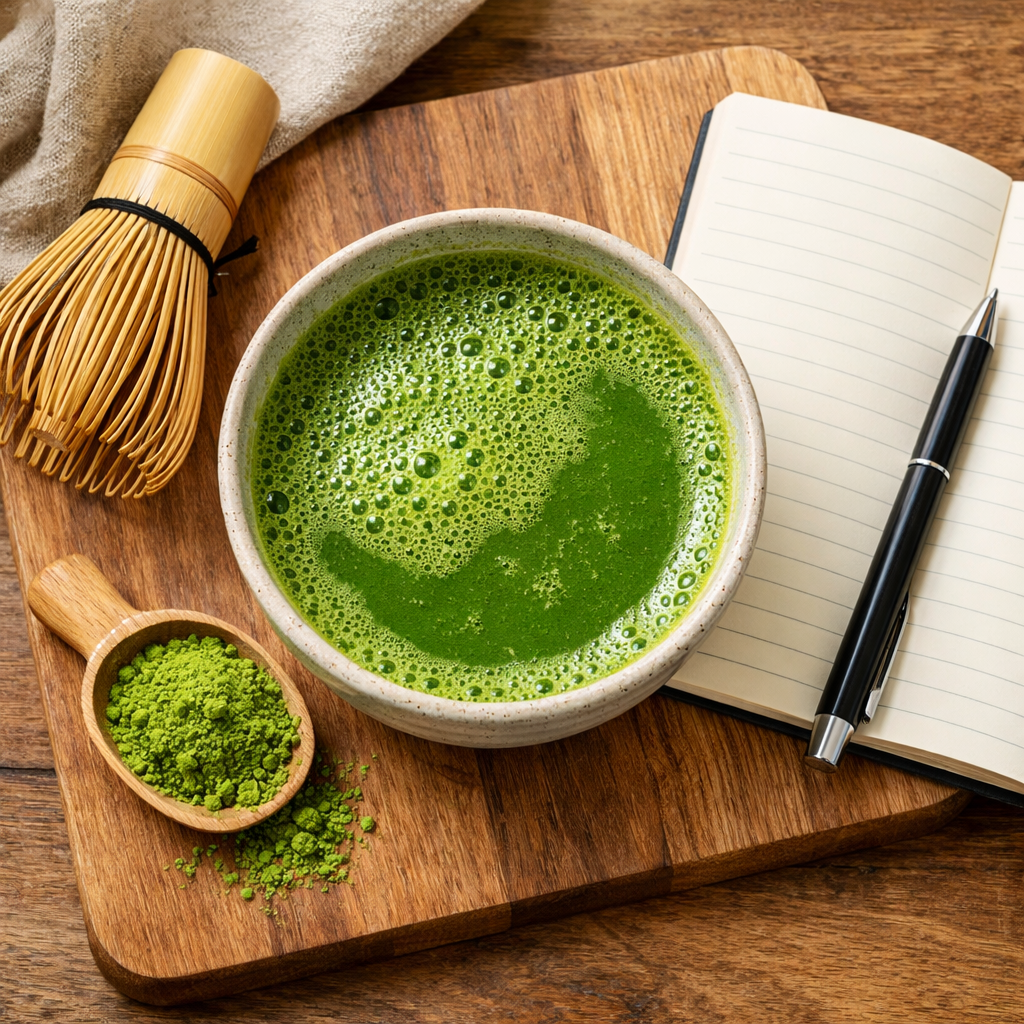
Health Benefits of Drinking Matcha: Energy, Focus, Metabolism Support
Matcha can be a smart, family-friendly swap for coffee when you want steady energy, clear focus, and modest metabolism support without the jitters. Because you drink finely ground green tea leaves suspended in water or milk, you get a concentrated mix of caffeine, L-theanine, and catechin antioxidants in every cup. Studies suggest this combo promotes calm alertness, sharper attention, and small boosts in fat oxidation during movement—benefits that fit right into school mornings, commutes, and weeknight dinner prep. Below, we break down the top health benefits of drinking matcha for energy and focus, plus easy ways to use it in real life.
1. Meat Recipe Box
At Meat Recipe Box, we build practical, tested routines for busy households—meat-forward comfort recipes, expert guides that cut prep time, and stress-reducing meal plans. Matcha fits right in: quick to make, easy to portion, and a helpful anchor for energized mornings and focused meal prep. We regularly test matcha with protein-forward breakfasts to keep energy steady during busy days.
Matcha is powdered, shade-grown green tea that you whisk into water or milk. Because you consume the whole ground leaf, it delivers concentrated caffeine, L-theanine, and catechin antioxidants like EGCG—often more than standard steeped tea (matcha vs. green tea overview). This whole-leaf format helps explain matcha’s steady focus and metabolism support in daily use.
- Explore energizing sips on our Healthy Drinks hub: https://meatrecipebox.com/tags/healthy-drinks/
- See our latest breakfast and meal-prep posts: https://www.meatrecipebox.com/posts/
Why we love matcha for busy kitchens
The benefits start with steady energy without jitters. L-theanine in tea increases alpha brain waves linked to relaxed alertness, helping smooth caffeine’s edge and support focus (peer-reviewed L-theanine review). Typical caffeine per 8-oz serving:
- Matcha: ~76–180 mg
- Brewed tea: ~30–50 mg
- Coffee: ~80–100 mg
For dosing and per-gram figures, see this summary of matcha’s caffeine ranges (matcha caffeine overview). As a planning tip, make matcha your morning routine anchor alongside our make-ahead breakfasts or zero-sugar snacks so energy stays steady from school drop-off through dinner.
How we fold matcha into meal plans and recipes
- Quick whisked matcha with breakfast sandwiches before school.
- Iced matcha for afternoon slumps before practice.
- Culinary-grade matcha blended into smoothies or chia pudding during meal prep.
- Lightly sweetened matcha milk for kid-friendly, low-sugar sips.
Common grades: ceremonial (best sipped straight), premium (everyday lattes), and culinary (smoothies, baking). WebMD’s guide explains which to use where (matcha grades and uses).
2. Sustained energy without jitters
L-theanine is an amino acid in tea that influences brain activity by increasing alpha waves associated with relaxed alertness. When combined with caffeine, it can smooth energy, reduce perceived stress, and improve attention compared with caffeine alone—ideal for work, workouts, and kitchen multitasking (L-theanine evidence). Matcha pairs caffeine with L-theanine, delivering calm, sustained focus. Caffeine typically ranges ~19–44 mg per gram of matcha and ~76–180 mg per 8-oz cup (caffeine ranges and serving context).
Caffeine plus L-theanine for smooth alertness
- Matcha: caffeine + L-theanine = calm alertness.
- Coffee: strong immediate alertness; lacks L-theanine and may cause jitters in sensitive people.
- Steeped green tea: gentler caffeine and typically fewer catechins per cup than matcha.
Matcha is often richer in EGCG catechins than typical steeped green tea, reinforcing its potency relative to leaf-in-water brews (see L-theanine review for broader tea context). EGCG (epigallocatechin gallate) is a green-tea catechin studied for antioxidant and heart-supportive effects (WebMD).
Best timing for school runs, workouts, and late meetings
- School runs: sip 30–45 minutes before leaving for balanced alertness.
- Workouts: drink 45–60 minutes before moderate exercise to align with fat-oxidation data (metabolism support overview).
- Late meetings: choose smaller servings after 2 pm; keep total daily caffeine under ~400 mg from all sources (caffeine and brewing guidance).
| Time of day | Goal | When to drink | Suggested serving |
|---|---|---|---|
| Morning | Steady energy for school/work | 30–45 minutes prior | 1 tsp (≈2 g) |
| Afternoon | Focused pre-practice or prep | 30–60 minutes prior | 1 tsp (≈2 g) |
| Evening | Calm alertness, protect sleep | Only if needed; small | 1/2–1 tsp (≈1–2 g) |
3. Sharper focus and calm concentration
Small human studies and randomized trials report improved attention, reaction time, and performance under stress with matcha or its components, especially the caffeine–L-theanine pairing (matcha benefits summary; L-theanine review with cognitive outcomes). In research cohorts, about 2.07 g daily matcha delivered ~50.3 mg theanine and ~72.5 mg caffeine—an approachable, real-world dose (L-theanine review). That’s why we slot matcha into study sessions and meal-prep windows in our plans.
Support for attention, reaction time, and task switching
- Pre-study or focused work: whisk 1 tsp in water or milk 30 minutes prior.
- Meal-prep multitasking: sip 1/2–1 tsp iced matcha to keep calm focus.
- Commute concentration: shake 1 tsp in a bottle with cold water and ice.
Trials have observed improved cognitive performance and reduced stress markers such as salivary amylase with matcha/L-theanine (L-theanine review).
Practical swaps for coffee-sensitive drinkers
- Replace the second coffee with a 1/2–1 tsp matcha latte for steadier alertness; coffee is typically ~80–100 mg caffeine per 8 oz vs matcha’s modifiable dosing (~76–180 mg per cup, adjustable by teaspoon) (caffeine comparison).
- For afternoons, choose smaller, ceremonial-style portions (1/2 tsp) and pair with protein-rich snacks to stabilize energy.
- Tolerate & titrate: start at 1/2 tsp and increase by 1/4 tsp based on how you feel.
4. Metabolism support and fat oxidation
Matcha may increase fat oxidation during moderate exercise and can support—not replace—weight-management strategies. Broader green-tea catechin evidence points to modest metabolic support when combined with healthy habits (benefits overview).
What the research says about modest boosts
Fat oxidation is the body’s process of breaking down stored fat to produce energy, especially during low-to-moderate intensity activity. Nutrients like green-tea catechins and caffeine can nudge this pathway, modestly increasing the proportion of fat used as fuel during exercise.
In one small trial, matcha increased fat burning during brisk walking, and some data suggest green tea extracts may reduce starch digestion/absorption—both are supportive nudges, not standalone fixes (metabolism and fat-oxidation context).
Pairing matcha with movement for better results
- Drink 1/2–1 tsp matcha 45–60 minutes before a walk.
- Do 30–45 minutes of brisk walking or light intervals.
- Hydrate and eat a protein-forward snack after.
Weekly template: aim for 3–4 sessions with consistent serving sizes and an optional longer weekend walk. Keep total caffeine under ~400 mg/day (safe limit guidance).
5. Antioxidant protection for everyday health
Because you drink the whole leaf, matcha delivers a dense package of catechins and other antioxidants per cup—often more than a typical steeped tea (whole-leaf advantage). Some analyses note matcha can be richer in EGCG than steeped green tea, supporting antioxidant potential (L-theanine review). Additional antioxidants include polyphenols, quercetin, rutin, and chlorophyll (WebMD).
EGCG and catechins in whole-leaf powder
- EGCG helps protect cells from oxidative damage in research, supporting heart and metabolic health (WebMD).
- Matcha contains catechins such as EC, EGC, ECG, and EGCG (L-theanine review).
- Because you ingest the whole leaf, you typically get more antioxidants than from steeped tea.
Heart-friendly habits that fit a family routine
- Swap one sugary drink for iced matcha with no added sugar.
- Pair matcha with fiber- and protein-rich snacks at snack time.
- Protect sleep by timing caffeine earlier in the day; sleep is a key pillar for heart health.
Catechins have been linked to heart-friendly outcomes such as LDL support and vascular function as part of an overall healthy diet (L-theanine review).
6. How much to drink and when
Most adults do well with 1–2 cups daily (about 1–2 tsp total), adjusting to caffeine sensitivity. To preserve antioxidants, store matcha cold—ideally refrigerated around 40°F (4.4°C)—and whisk with hot-but-not-boiling water, about 195°F (90°C) (storage and brewing tips); we refrigerate ours to keep color and flavor bright.
Serving sizes, caffeine ranges, and daily limits
- 1/2 tsp (~1 g): ~19–44 mg caffeine.
- 1 tsp (~2 g): ~38–89 mg caffeine.
- Typical 8-oz cup: ~76–180 mg caffeine.
- Compare: coffee ~80–100 mg; brewed tea ~30–50 mg (caffeine ranges and comparisons).
Keep total daily caffeine under ~400 mg from all sources (Health.com guide).
Who should be cautious
If you are pregnant or breastfeeding, have liver disease, or take medications (e.g., beta-blockers, anticoagulants, iron), discuss matcha with your clinician due to potential interactions (medication and condition cautions). Note that some concentrated green tea extracts have been linked to liver injury; favor whole-tea preparations and moderate intake (WebMD).
7. Easy ways to use matcha in real life
- 60-second shaker matcha: water + 1/2–1 tsp + ice.
- 3-ingredient iced matcha latte: milk of choice, matcha, optional vanilla.
- Meal-prep matcha chia or overnight oats (culinary grade).
These time-savers pair well with weeknight mains and our meal plans.
Quick morning sips and make-ahead options
- Pre-portion matcha packets for grab-and-go.
- Keep a pitcher of unsweetened iced matcha for 2–3 days.
- Assemble smoothie freezer packs with spinach, banana, and 1/2 tsp matcha.
Micro tip: store matcha cold to help preserve antioxidant content (Health.com).
Kid-friendly tweaks and zero-sugar ideas
- Diluted matcha milk with a touch of vanilla; start at 1/4 tsp and assess sensitivity.
- Zero-sugar slush: ice, water, matcha, and a squeeze of citrus.
Kids’ caffeine tolerance is lower; when in doubt, choose caffeine-free alternatives for young children.
Frequently asked questions
How much matcha should I drink daily for energy and focus?
At Meat Recipe Box, most adults do well with 1–2 cups per day (about 1–2 tsp total), adjusted to caffeine sensitivity. Keep your total daily caffeine under 400 mg.
Is matcha better than coffee for sustained alertness?
Many people find matcha’s caffeine plus L-theanine delivers steadier, calmer alertness than coffee. We like it as a practical swap for afternoon focus with fewer jitters for many drinkers.
Can matcha help with weight loss on its own?
Matcha may modestly support metabolism and fat oxidation, especially with movement, but it isn’t a standalone weight-loss solution. Pair it with balanced meals and activity (our approach at Meat Recipe Box).
When is the best time to drink matcha for workouts?
Drink matcha about 45–60 minutes before moderate exercise to align with its caffeine and catechin effects. Start with 1/2–1 tsp and adjust based on how you feel.
Are there any side effects or interactions I should know about?
Watch total caffeine, potential sleep disruption, and possible interactions with medications like beta-blockers or iron. If pregnant, breastfeeding, or on prescriptions, check with your clinician first.